Frequently Asked Questions
New to learning an instrument? Want to perfect your skills? Not sure about online lessons?
We have answered some of the most commonly asked questions below. Simply click the question to view the response.
How do lessons take place?
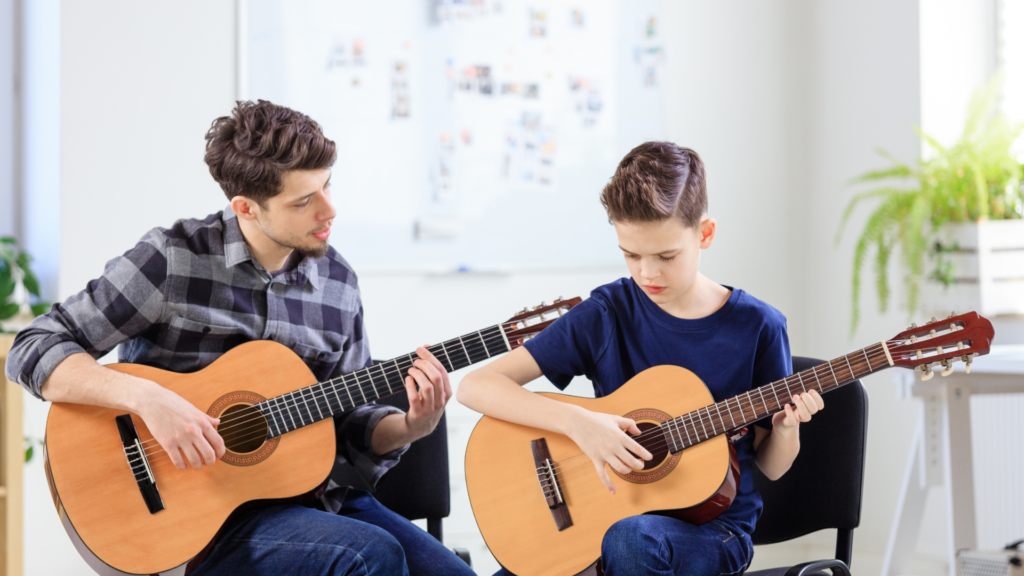
Lessons take place with your tutor either face-to-face in their home studio or online via zoom. This is one-to-one (or in a small group depending on your instrument) in either a 30-minute or 60-minute slot.
Can I learn online and is it as good as a face-to-face lesson?
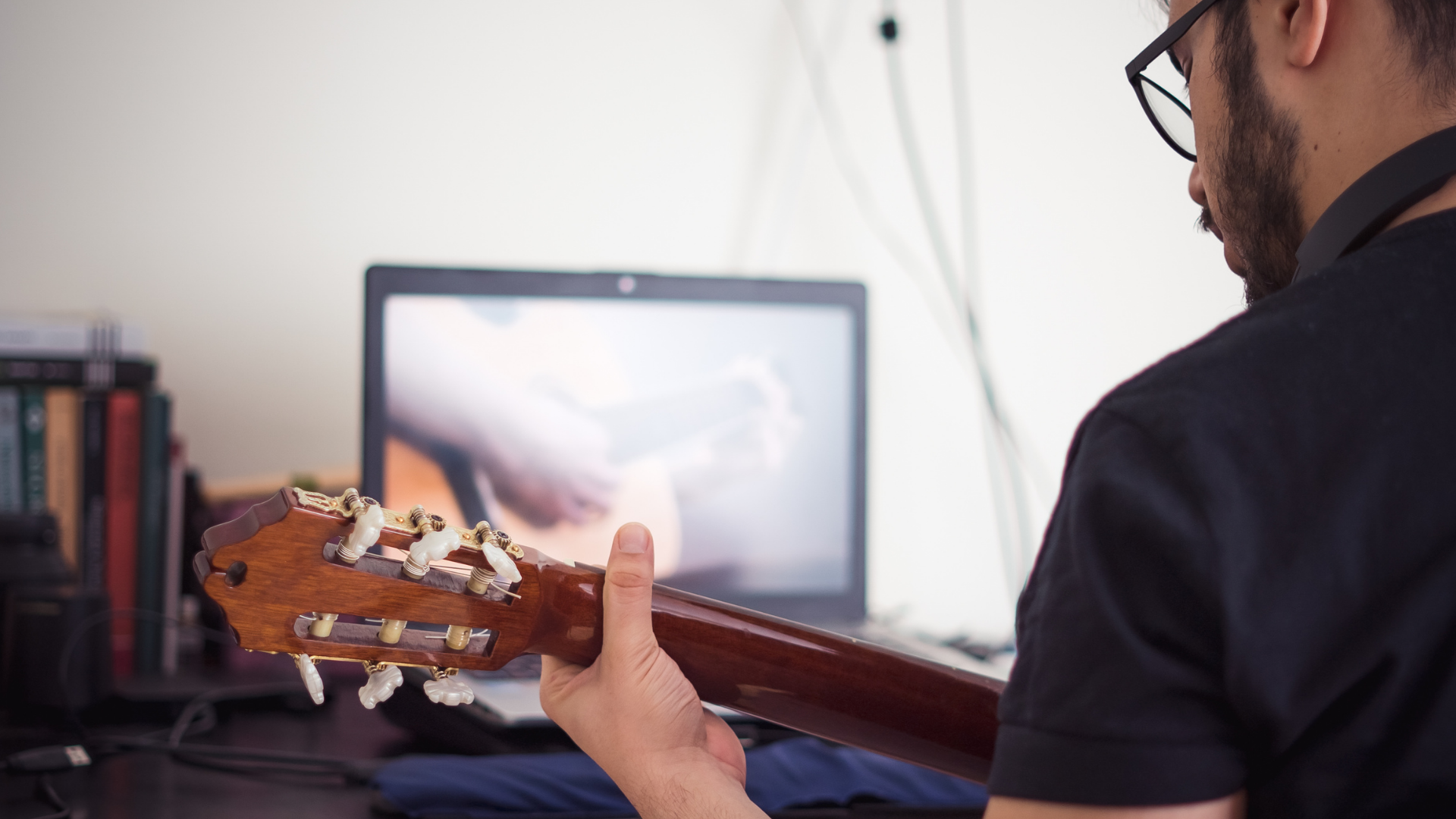
Yes to both! Our tutors are all fully trained in online tuition where we use a variety of camera angles, microphones, and interactive tools so lessons via a screen are just as effective and fun as face to face. Music Exams with all boards have adapted to accommodate this type of learning over the pandemic, and we have found grade results to be better than ever before.
What are the benefits of learning an instrument online?
We see this way of teaching to be something of a permanent fixture now, and in the future for many, as students enjoy the interactive nature of it and the flexibility to learn from their own home. We can bring you our experts from across the UK that you may not normally have access to in your local area.
What type of music will I learn to play?
Tell us what you like and once the basics have been covered that’s what we’ll play! We support and encourage all styles of music and every lesson is tailored to you personally. Our tutor’s own tastes and expertise are many and varied, so we’re sure you’ll be playing music you both enjoy.
How long before I can play well?
That depends on you. Everyone has musical ability but learning to play an instrument well requires commitment and you will get further the more you practice. To help you on your way we will provide you with access to our comprehensive student portal that our tutors update with notes on what to practice each week, along with our wide-ranging bank of learning material, repertoire, and resources.
It’s important to practice regularly and often if you want to learn quickly and feel confident. And as with exercise, it’s much better to do fifteen minutes every other day than two hours at the weekend!
Read our handy top tips of effective practice here.
How long is a lesson and how frequently should I have one?
Most learners usually have half an hour’s tuition a week, some an hour. If you’re enjoying what you’re doing, the time will fly by! Some students like to increase the length and frequency of lessons during the examination period or before a big performance – your tutor will be as flexible and accommodating as they can be to varied needs.
How many lessons should I commit to?
All of our lessons are individually tailored and taught on a one-to-one basis. The first lesson is absolutely free, so really you have nothing to lose and everything to gain! When considering learning a musical instrument we think it’s important to meet face-to-face or online and without obligation.
You’ll no doubt have questions that you want to ask your tutor and they need to take the time to understand exactly what it is you want from your lessons, your experience (if any), and the sort of music that you’d like to play. It’s much better to do this in person than by telephone.
Beyond that, lessons can be booked monthly, working within our set term dates, which secures a regular weekly day and time. In the event of cancellations, we are always happy to re-arrange lessons and ask for 48 hours’ notice.
When is the best time to book a lesson?
That varies but your tutor will be able to give you an up-to-date list of times when arranging your first lesson. Most tutors tend to be rather more flexible with daytime lessons as children are usually at school.
Do you teach complete beginners and do I need my own instrument?
As with all music teachers, the majority of our new students are beginners. Some have a little musical knowledge, others have none at all. When you find a teacher you like and build a relationship, it’s unusual to change.
You will need an instrument to practice on if you don’t already have one. However, we don’t recommend spending large amounts of money, at least to begin with. A simple starter instrument will suffice for a beginner until a time comes when you want an upgrade; ask your tutor for their advice and they will be able to point you in the right direction. Music should be open to everyone to enjoy and acquiring and learning an instrument should not be prohibitively expensive.
How can I help my child progress?
Supporting your child’s musical development can seem daunting, especially if you’ve not played an instrument before yourself. But children have a natural desire to please and the best way to help them progress quickly is simply to take an interest!
We encourage parents to take an active interest in what we’re doing. We provide an online portal containing the week’s practice notes along with all the tools required for their musical development. Practice can be a lonely occupation and children thrive on company. So sit with your child while they practice, listen, comment, and encourage.
Will I learn music theory?
Our tutors always teach the rudiments of music theory as it goes hand in hand with playing an instrument and becoming a rounded musician and theory work is generally incorporated into lessons as required. You can study theory as a separate subject if you wish and those who progress to the Grade 6 practical exam with ABRSM will need to have passed their Grade 5 theory exam first. Our tutors are also able to help with GCSE and A-Level music.
How much do you charge and how do I pay?
Our lessons are charged at £30 per 30 minutes.
When booking a block of lessons you will receive an invoice for the month ahead. We request the block be paid for in advance of the first of the lesson in the block.
If you would like any more assistance please email us at info@music-spark.com
Here are our top tips for pain-free, effective practice:
- Know what needs to be done, and work to a plan;
- Sometimes play straight through your pieces, returning to the hard bits later;
- Sometimes begin with the hard bits, practising small sections thoroughly;
- What you can’t play slowly, you can’t play quickly;
- If you get stuck, stop! Come back later, and try again;
- Don’t practise your mistakes: always establish ‘finger memory’ before moving on;
- Enjoy what you play, and vary your work by having other, easier pieces to hand ;
- No need to practise every day, time away from your instrument is important too!